Jitka Cirklová
Urban Sociology
How to read the social life of space
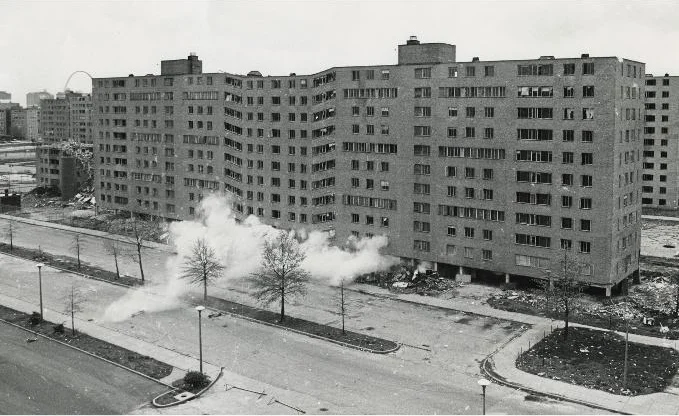
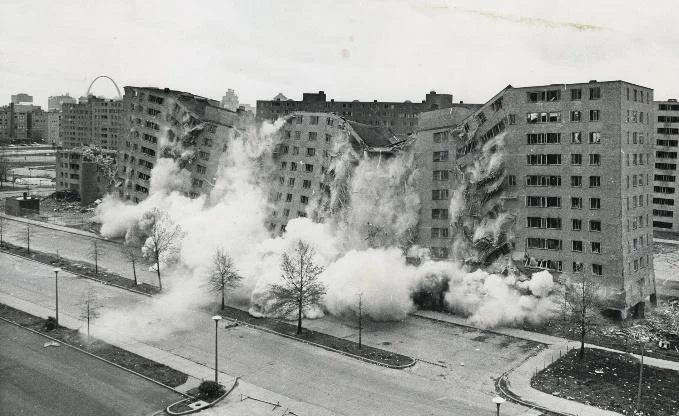
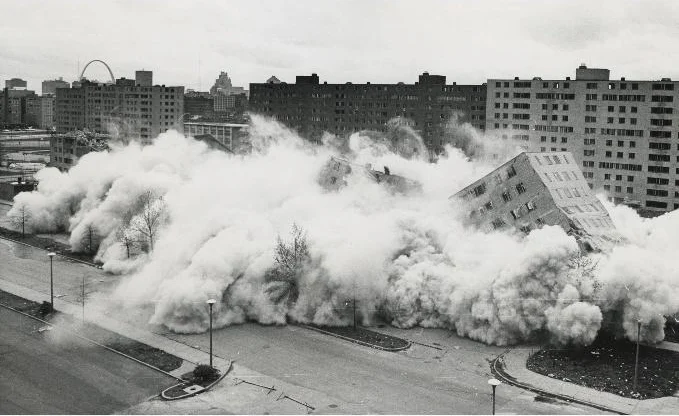
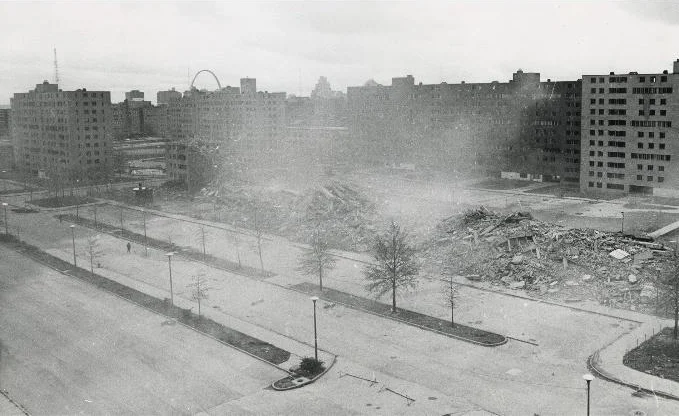
In 1972 the Pruitt-Igoe housing estate in St. Louis was blown up, and critics declared that modern architecture had failed. The main causes lay outside the design: money for maintenance, management and segregation. This book teaches you to tell what a building does to a city from what people, institutions and power do.
For architects, urban designers, planners, students, civil servants, heritage specialists and activists. No background in sociology needed.
Between the drawing and life
Architecture does not end when the project is handed over. Only everyday life shows whom a space brings together, whom it shuts out, what it makes possible and what behaviour it takes for granted. This book gives anyone who works with the city the sociological tools to read it closely and to make decisions about it responsibly.
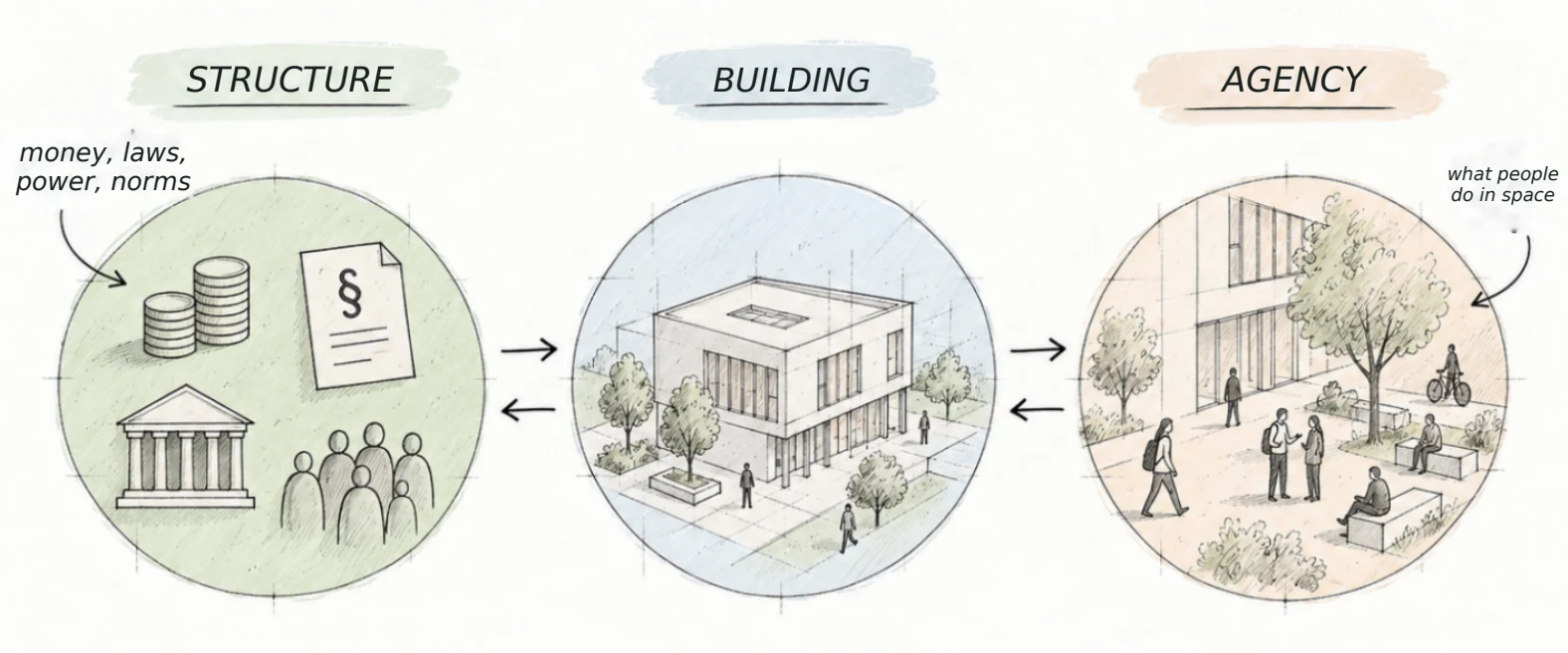
A good design can't be judged by the drawing alone
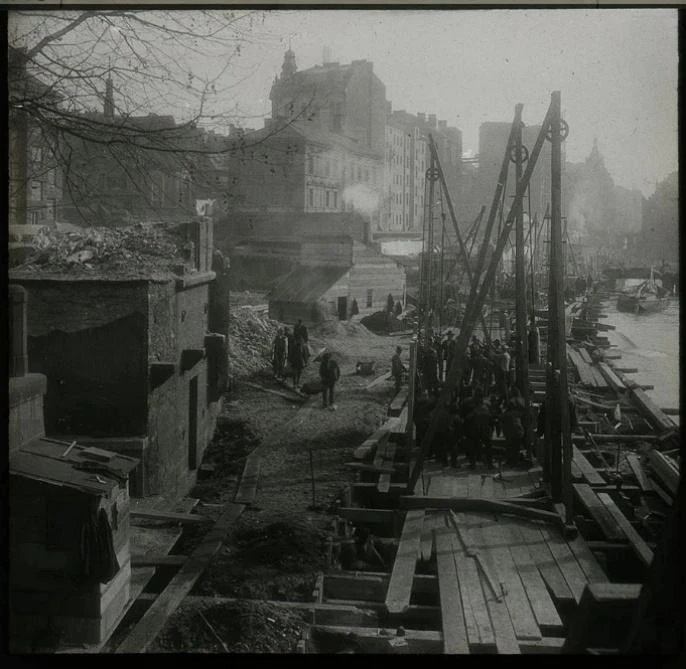
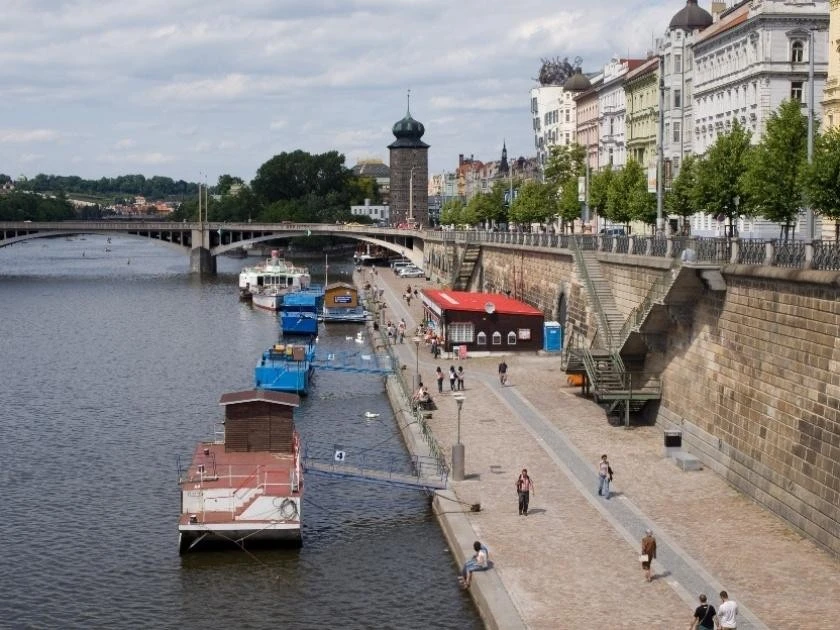
Over a hundred years, the same embankment wall in Prague has been a working port, a forgotten strip by the river and a place for concerts and markets. The form barely changed. The life around it changed, and so did the question of who decides about the place.
The book teaches you to switch between the detail and the whole: from a door, a bench or a floor plan to money, laws, institutions and inequality.
Look inside
The preview shows how the book works with a case, theory, images and questions for your own project.
After reading, you'll ask better questions of space
- Tell when a problem comes from the design and when from wider social conditions.
- Read power, norms and inequality built into floor plans, maps and house rules.
- Check whether a building actually works for its users after it opens.
- Design, plan and manage with different bodies, ages, abilities and everyday experience in mind.
- Work with memory, temporariness, care, infrastructure and urban nature.
- Tell real co-creation from participation that only rubber-stamps a decision already made.
Theory you can take into the field
The book doesn't explain concepts for their own sake. Every chapter grows out of a concrete case, links it to theory and ends with questions and an exercise you can apply to your own project. Together, the fourteen exercises make up a small research course on the city.
- 1.
Case
A specific building, neighbourhood or urban conflict.
- 2.
Concept
A tool that helps you name the case precisely.
- 3.
Question for practice
What the case means for designing, planning and managing the city.
- 4.
Field exercise
Your own observation, map or small study.
One city is not enough
Pruitt-Igoe, Central Park, the High Line and Sidewalk Toronto show mechanisms that are also at work in Prague: in Karlín, on the riverside embankment and in the Karlín Barracks. Comparing international and Czech cases helps separate a compelling story from the real causes.
Fourteen ways to read the city
The chapters can be read in order or on their own. Read together, they show the city as a place where buildings, daily routines, institutions and power meet.
AppendixAn overview of urban sociology's key authors
24 authors with their main ideas and books, a glossary, an index of cases and a full bibliography. 53 pages.
For everyone who works with the city or wants to understand it
Students of architecture, urban planning, geography and sociology
Context that complements studio and seminar work and helps when defending a design or a thesis.
Architects, urban designers and planners
Questions and methods for working with real users and the consequences of a project.
Public administration and local government
Tools for reading conflict, inequality and participation.
Heritage specialists, landscape architects and other city professions
A shared language for space, memory, nature and care.
Communities, activists and non-profits
How to read conflicts over space and prepare for negotiations about a project.
Anyone curious about the city
No prior training in sociology is needed. Concepts are explained through specific buildings and situations.

Jitka Cirklová
Author of Urban Sociology.
Reading the city sociologically does not mean trading the certainty of a drawing for idle speculation. It means seeing more, and bearing greater, better-informed responsibility for what we design.
Read the city before you start making decisions about it
Get a set of questions, concepts and cases that connect decisions about the city with the real life of space.
PDF, 252 pages, 2026 edition
- E-book as a PDF for computer, tablet and phone
- 'How to read…' questions in every chapter, ready to apply to your own project
- Key concepts, questions for reflection and recommended reading
- Appendix: 24 key authors of urban sociology, a glossary and an index of cases